Your Choquequirao Trek begins before sunrise and we will pick you up from your Cusco hotel at 4:00 AM. Our private transport will wind through the Peruvian Andes for 3.5 hours, passing valleys and villages before reaching Cachora, a remote farming community where locals thrive on agriculture. After a brief stop, we will drive 30 minutes to Capuliyoc (2,915 meters / 9,561 feet), where you will enjoy a traditional breakfast of Andean staples like quinoa pancakes or tamales paired with coca tea.
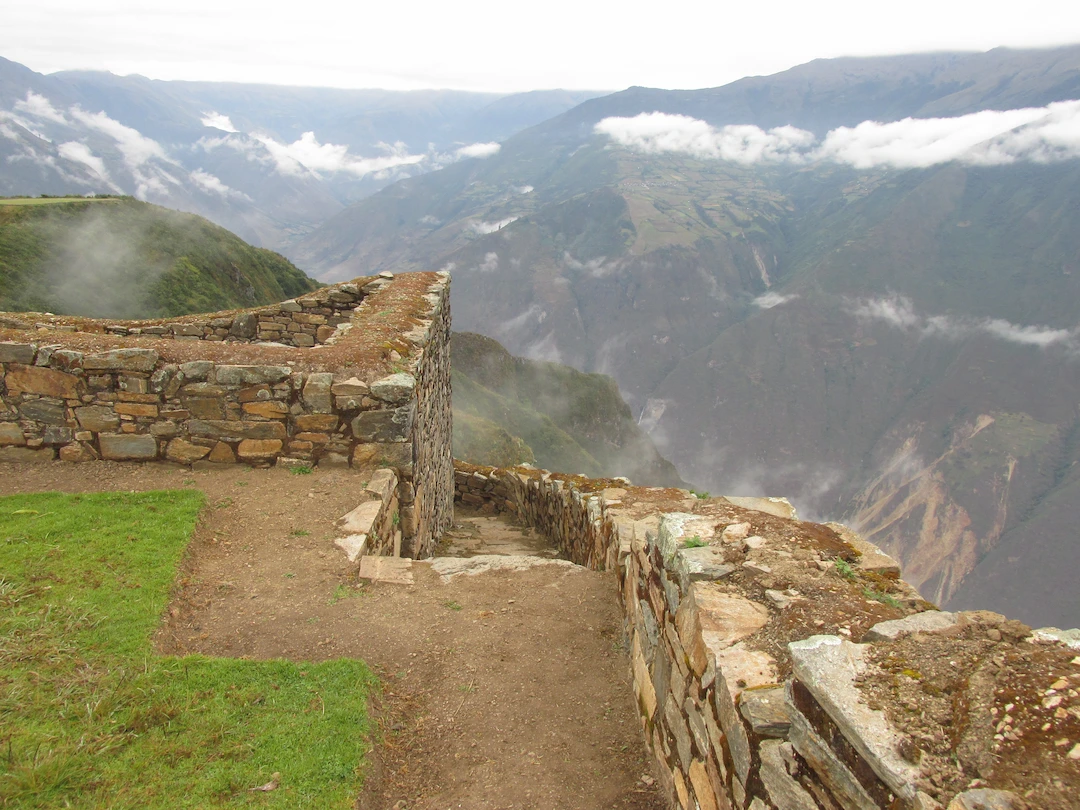
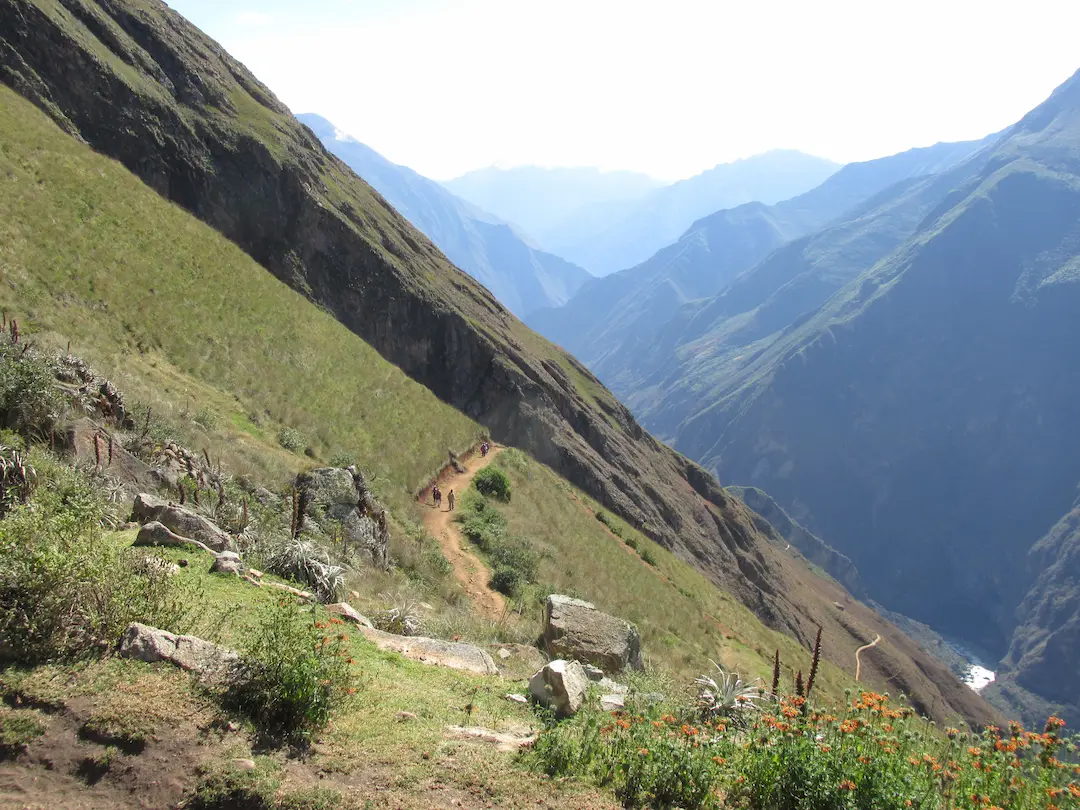
Here, we will meet the muleteers and cooks who will join your Choquequirao Peru adventure. Watch as mules carry camping gear and supplies, freeing you to focus on the trail. Your guide will share stories about the Inca site and prepare you for the day’s trek. A gentle 20-minute walk will lead to the Capuliyoc viewpoint, where you will glimpse the Apurimac Canyon’s vastness—a dramatic backdrop for the archaeological sites ahead.
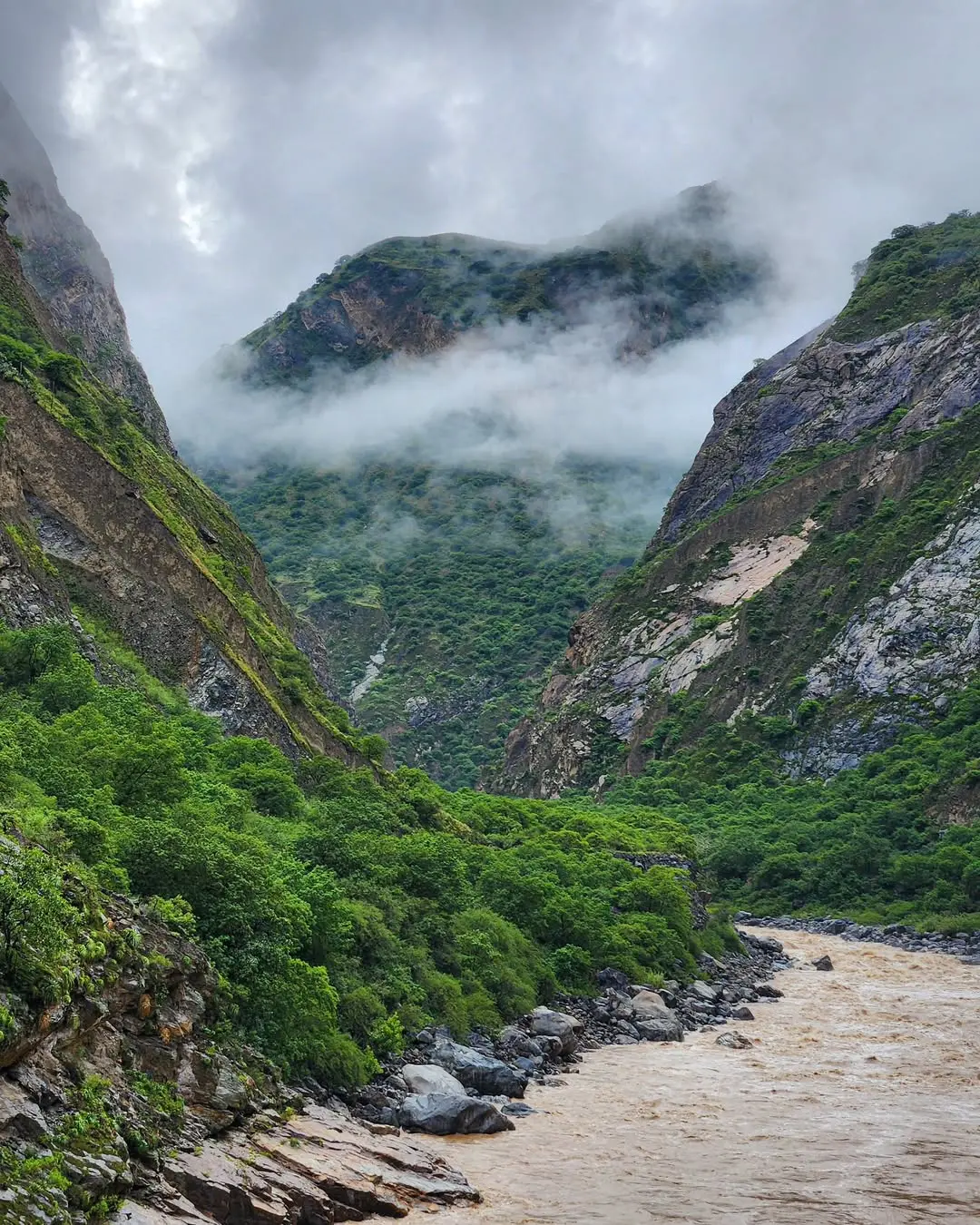
From here, the trail will descend for 2.5 hours to the Oasis of Chiquisqa (1,900 meters / 6,234 feet). You will weave through lush plantations of oranges, mangoes, and sugarcane, their vibrant greens contrasting with the canyon’s russet cliffs. After a short rest, we will hike another 1.5 hours downhill to Rosalina Beach (1,550 meters / 5,085 feet), where the Apurimac River roars through the canyon floor.
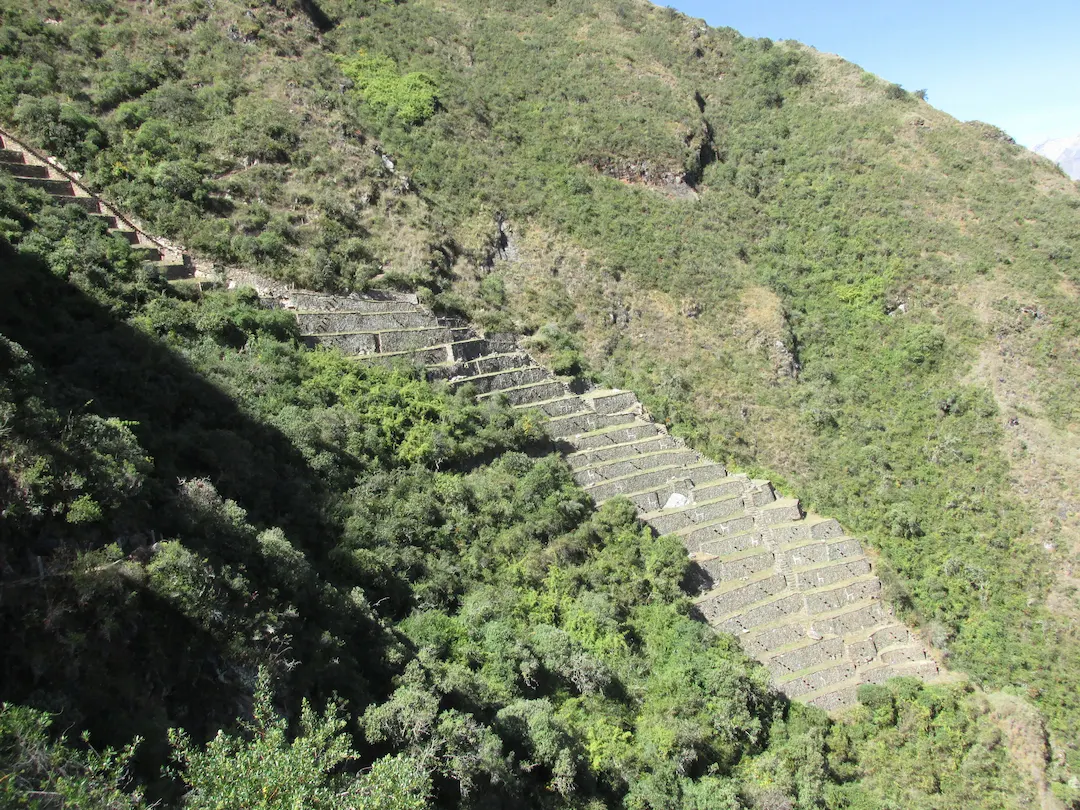
At Rosalina Beach, our chef will prepare a fresh Peruvian lunch—think ceviche or ají de gallina—using local ingredients. Relax by the river, dip your toes in the cool water, or photograph the canyon’s raw beauty. When ready, we will cross the Apurimac River via the Rosalina Bridge and begin a 2-hour ascent to Santa Rosa (2,100 meters / 6,890 feet). As you climb, the air will cool, and terraced hillsides will hint at the Inca ruins waiting deeper in the trek.
By dusk, we will reach Santa Rosa, your campsite for the night. Settle into your tent, savor a warm dinner under starlit skies, and listen to tales of Manco Inca’s legacy. Rest well—tomorrow, we will delve closer to Choquequirao, the “cradle of gold,” where history and wilderness intertwine.






Leave a comment: